





Drilon urges SC to rule early on ‘unprogrammed’ funds


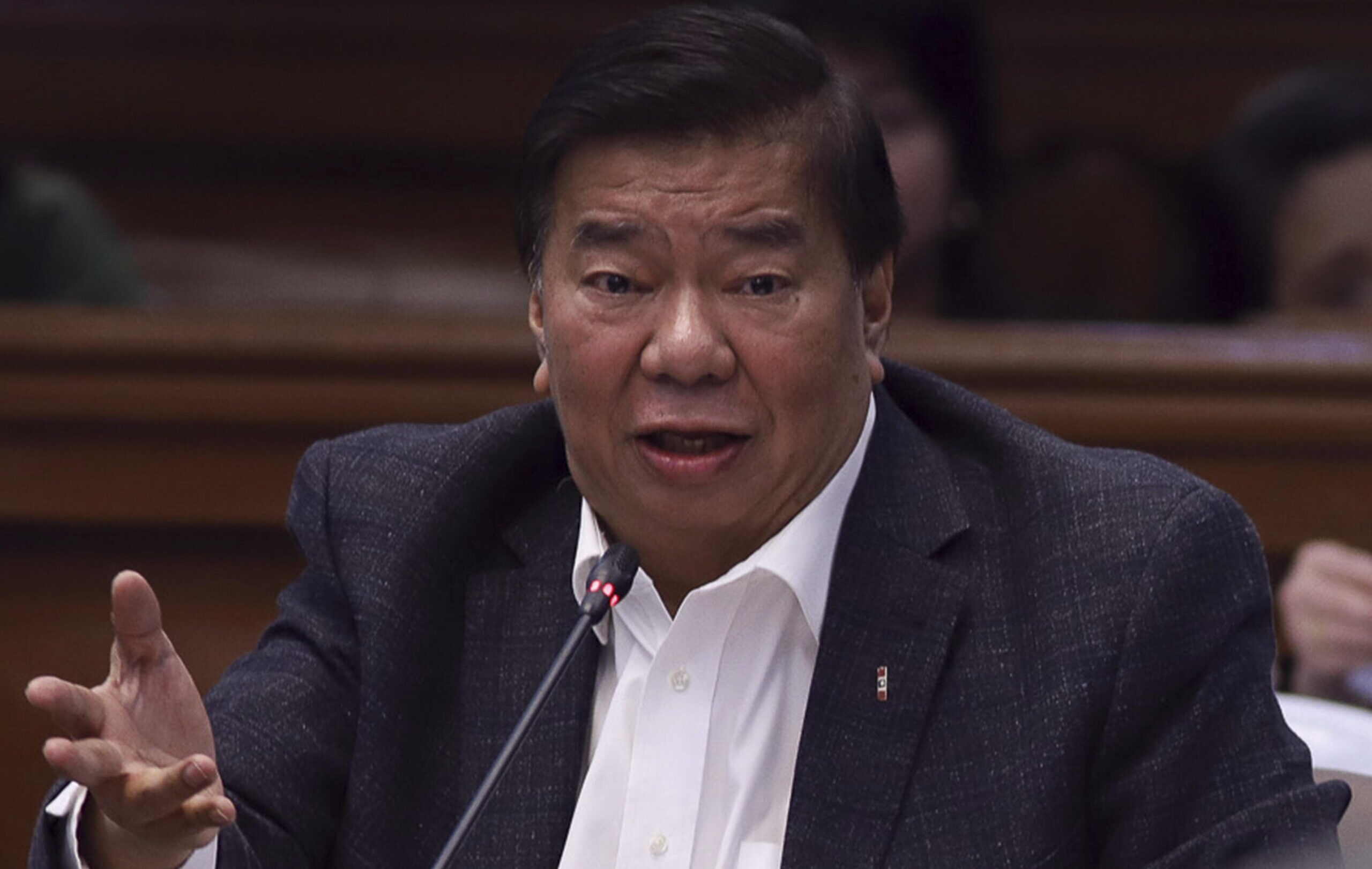
MANILA, Philippines — Former Senate President Franklin Drilon on Tuesday urged the Supreme Court to rule “as early as possible” on the legality of unprogrammed appropriations (UAs), saying a decision would provide crucial guidance before Congress begins deliberations on the proposed 2027 national budget.
Drilon made the appeal during the third day of oral arguments on consolidated petitions challenging provisions governing UAs, or standby funds, in the General Appropriations Acts of 2024, 2025 and 2026.
“We are making this manifestation to respectfully urge the court to decide on this case as early as possible because the decision of this court will provide guidance not only to the government, but the public in general as to these unprogrammed appropriations,” Drilon, appearing as amicus curiae, told the tribunal.
READ: Not a ‘blank check’: SolGen explains triggers of unprogrammed funds
Also serving as amici curiae or friends of the court are former Budget Secretary and Bangko Sentral ng Pilipinas Governor Benjamin Diokno, former Socioeconomic Planning Secretary Solita Monsod, former Budget Secretary Florencio Abad, and former Albay Rep. Joey Salceda.
Budget guidance
Drilon stressed the urgency of a ruling, citing recent controversies involving budget allocations and alleged irregularities linked to standby funds.
“We have witnessed the past two weeks the political turmoil that has resulted from this issue,” he said. “Senators have been charged, and they will be held to answer for whatever acts they committed in contravention of the law.”
READ: The unforeseen consequences of unprogrammed appropriations
He said a prompt ruling would clarify gray areas in the preparation, approval and implementation of UAs and guide lawmakers in crafting future budgets.
“We make this plea for the court not to wait until the end of the year because there would be decisions made by Congress during that period and it is best that Congress be given the guidance by this honorable court,” he added.
Chief Justice Alexander Gesmundo acknowledged the concern.
“We’d like to let you know that the court is conscious of the timelines in the budget process,” Gesmundo said.
Corruption scheme
The hearing came a day after Sen. Jinggoy Estrada surrendered to authorities following the service of an arrest warrant issued by the Sandiganbayan on plunder and graft charges. Estrada is accused of receiving up to P573 million in kickbacks from funds allegedly allocated to flood control projects in 2025. (See related story on Page A1)
The Office of the Ombudsman earlier said it was preparing separate plunder charges against former Senate President Francis “Chiz” Escudero and Sen. Joel Villanueva over their alleged involvement in the same scheme.
Former House leaders have likewise been implicated. Resigned Ako Bicol Rep. Elizaldy Co, former chair of the House appropriations committee, is the subject of an arrest warrant for graft and malversation, while Leyte Rep. and former Speaker Martin Romualdez is under investigation by the Ombudsman.
Judicial deference
During the hearing, Associate Justice Amy Lazaro-Javier challenged Solicitor General Darlene Berberabe’s argument that Congress’ discretion over appropriations should be accorded judicial deference.
Lazaro-Javier said invoking the wisdom of Congress “is not a magic wand” that prevents the court from reviewing measures raising constitutional questions.
Berberabe responded that the court has traditionally extended “much respect and deference” to a coequal branch exercising powers expressly granted by the Constitution, including Congress’ power of the purse and the executive’s authority to implement the budget.
“But only if it’s untainted with grave abuse of discretion, not when it breeds corruption or bad governance,” Lazaro-Javier replied.
The solicitor general argued that corruption was not exclusive to UAs because programmed appropriations could also be misused.
“Correct, but it is enhanced [in the UAs],” the magistrate said. INQ


