BAGUIO CITY – The city government failed to place Baguio under a state of calamity following the non-collection of garbage in many parts of the city in the past two weeks.
Instead, the city council questioned the contract with a waste management firm, which had sent out a fleet of trucks last week to haul trash and dump it in the firm’s sanitary landfill in Tarlac, 151 km from here.
Baguio, a hall of fame titlist for being the cleanest and greenest highly urbanized city from 1995 to 1997, has been beset by mounds of trash that have piled up around parks, hill sides and city streets because the city stopped garbage collection services.
Barricade
Residents of Barangay Irisan and Tuba, Benguet, barricaded the city’s only dump on July 14.
Supported by former Baguio Mayor Braulio Yaranon, the protesters said the dump should have been retired in 2007, but the city continued to dump trash there until July this year.
The situation exposes houses in the area to garbage slides, especially during heavy rains.
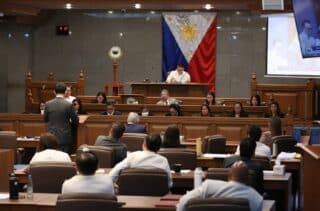
During the city council’s regular session on Monday, Vice Mayor Daniel Farińas filed a resolution declaring the city under a state of calamity to support a city government initiative to hire the Metro Waste Management Corp, a waste collection contractor, without undergoing bidding process.
Emergency conditions
Emergency conditions allow local governments this legal avenue, according to city lawyers.
The council spent the session discussing the garbage crisis but several councilors challenged the decision to hire Metro Waste and turned down Farińas’ resolution.
The firm has sent at least 15 trucks to haul Baguio garbage.
Councilors Betty Lourdes Tabanda and Elaine Sembrano said Metro Waste’s contracts still required council approval.
But the councilors agreed to help Mayor Reinaldo Bautista Jr. to start talks with officials of the Philippine Military Academy, the administrators of Camp John Hay and the family of the late Councilor Valentino Carantes in Yuba, Benguet, to see whether Baguio could develop areas there into new sanitary landfills.
Carantes had offered the lot to the city before his death in February.
Alternatives
The city government is also taking a close look at the old landfill used by the Americans inside Camp John Hay, as well as the biodegradable landfill used by PMA.
“We are not exactly offering PMA as a dump site. At best, we’re setting the example for the community [regarding] will, system and discipline,” said Maj. Gen. Leopoldo Maligalig, PMA superintendent.
“We have a very efficient waste disposal system. We retain 70 percent of our biodegradable [wastes] for our compost pit. But we cannot accommodate all [garbage] of the city.”
Some barangay officials have also started developing village-based dumps and material recovery facilities (MRFs, where wastes are segregated), and have asked for financing from the city government, according to several budget requests made by Councilor Galo Weygan.