





Zamboanga residents warned vs eating shellfish from Dumanquillas Bay


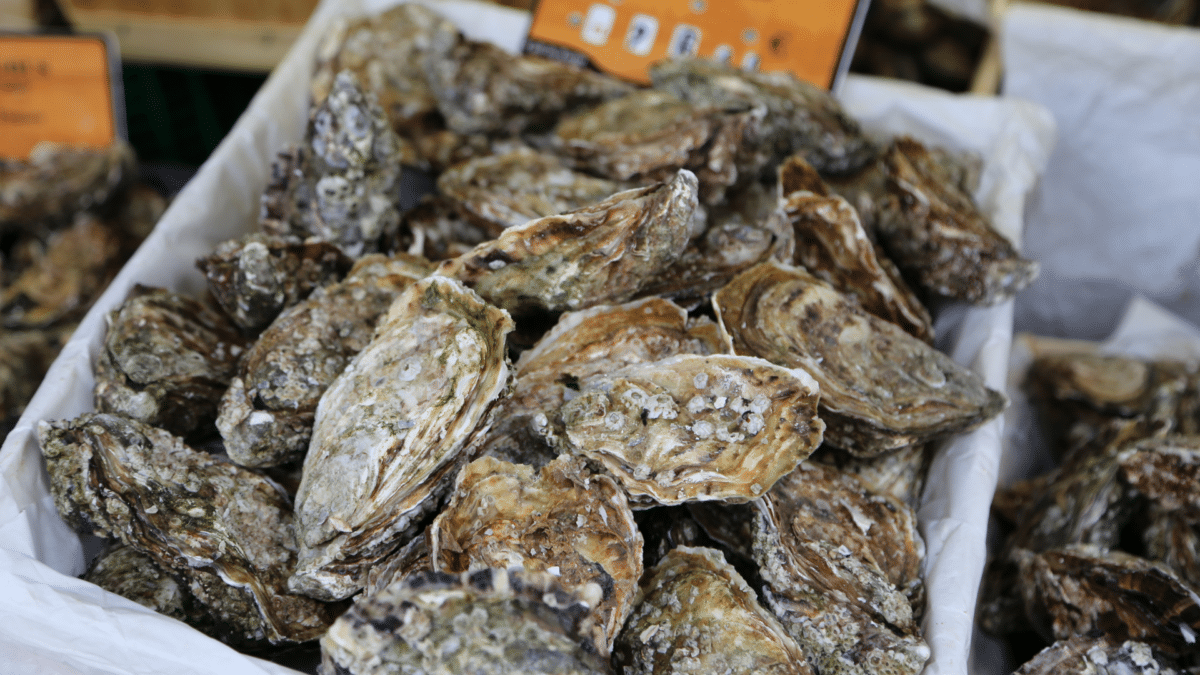
PAGADIAN CITY, Zamboanga del Sur – Authorities on Wednesday urged residents in Zamboanga del Sur to avoid consuming shellfish harvested from Dumanquillas Bay after a red tide toxin contamination was detected in the protected seascape.
In its Shellfish Bulletin 13 Series of 2026, the Bureau of Fisheries and Aquatic Resources – Region 9 (BFAR-9) said that unsafe levels of Paralytic Shellfish Poison (PSP), or red tide toxin, have been confirmed through laboratory testing. The results were released last Monday.
READ: Red tide alert raised in Zamboanga del Sur’s Dumanquillas Bay
Shannie Lou Omar-Ursaiz, BFAR-Zamboanga Sibugay provincial fisheries officer, said the agency’s technical staff conducts harmful algal bloom monitoring in designated stations around Dumanquillas Bay every week to detect red tide toxins.
In the last monitoring, she noted that the PSP level in the bay was beyond the safe limit of 60 micrograms per 100 grams of meat.
BFAR-9 warned fisherfolk to refrain from collecting shellfish until further notice to avoid triggering food poisoning.
It clarified, however, that fish, squids, crabs, and shrimps gathered from Dumanquillas Bay are safe to eat, but reminded that these should be cleaned and cooked properly.
Rapid poisoning progress
Dr. Anatalio Cagampang Jr., chief of the Zamboanga del Sur Medical Center, told the Inquirer that PSP symptoms progress rapidly – often within 30 minutes to a few hours after ingestion.
Early signs include tingling or numbness around the lips, tongue, and face spreading to the fingers and toes, accompanied by headaches, dizziness, and nausea, he explained.
As the condition worsens, patients may suffer muscle weakness, difficulty swallowing, and loss of coordination. In critical cases, flaccid paralysis reaches the respiratory muscles.
“Without immediate medical intervention, respiratory failure and death by suffocation can occur within two to 24 hours,” Cagampang warned.
He stressed that PSP toxins are “heat-stable” and cannot be destroyed by cooking, boiling, steaming, baking, or frying.
“The only prevention is total avoidance of harvesting and eating shellfish from banned areas,” he said.
Cagampang urged families to rush patients to the nearest hospital at the first sign of symptoms.
If respiratory paralysis occurs, mechanical ventilation is required to sustain life until the toxin is naturally flushed out, he said.
Other immediate measures include inducing vomiting—only if the patient is conscious and ingestion occurred within the past hour—and constant monitoring of breathing during transport.
In cases of respiratory arrest, trained individuals must perform rescue breathing until medical professionals take over.
Authorities also advised reporting cases to local health offices, specifying what was eaten and where it was harvested, to help trace the sources./coa
Cagampang urged the public to follow the BFAR shellfish ban.
“Do not harvest, buy, sell, or consume bivalve shellfish from Dumanquillas Bay until the advisory is lifted,” he said.
READ: New livelihoods sought for Pangasinan fishers amid regular red tide
The latest BFAR warning forms part of its broader advisory covering other coastal areas, including Tantanang Bay in Zamboanga Sibugay, Matarinao Bay in Eastern Samar, Biliran Island, Daram in Samar, and Panguil Bay in Misamis Occidental and Lanao del Norte./coa


