





DepEd presses for completion of classrooms, delivery options for 2026


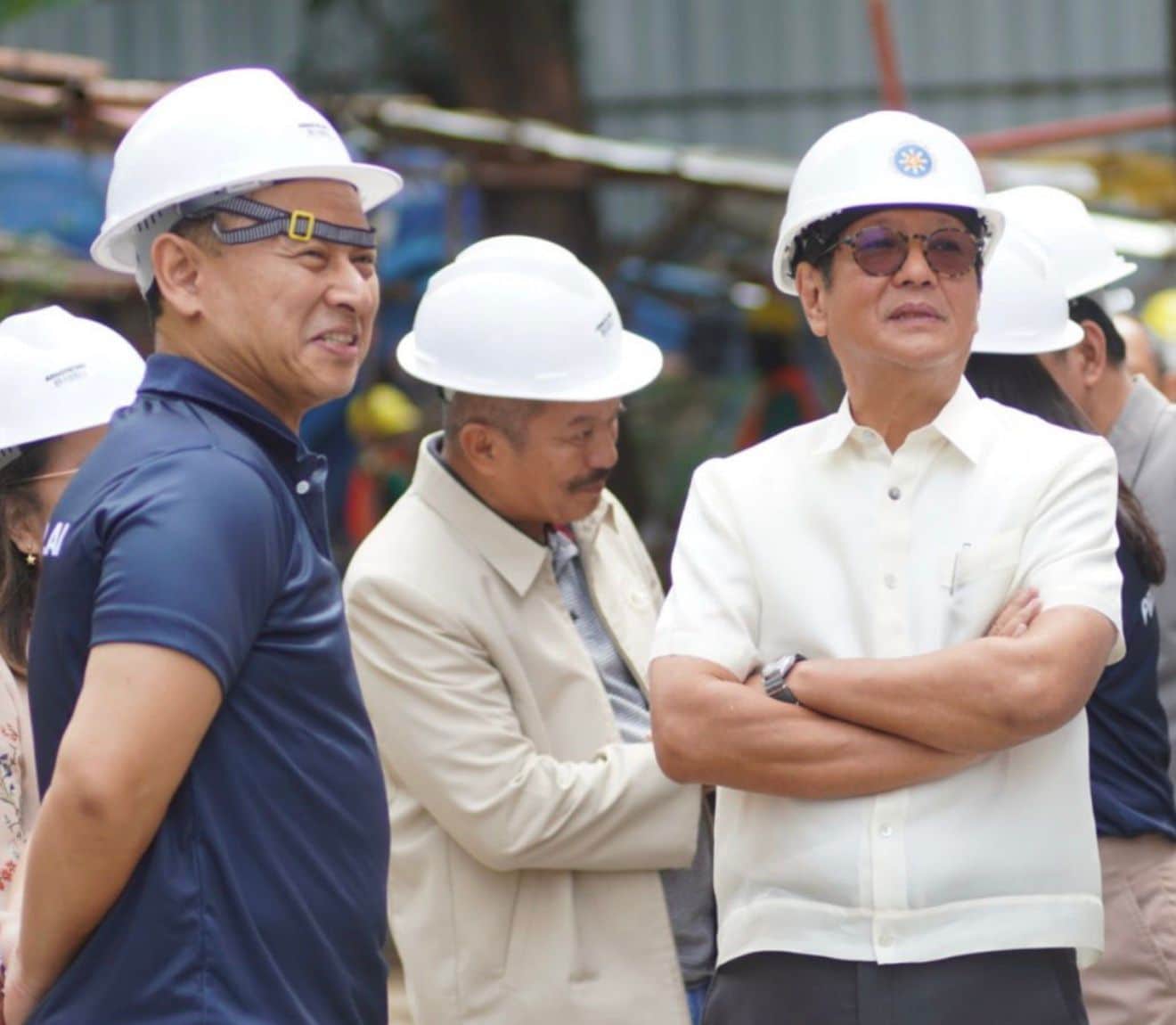
MANILA, Philippines — The Department of Education (DepEd) is ramping up efforts to complete unfinished classroom projects nationwide, even as it prepares to expand delivery options starting 2026 to address long-standing gaps in basic education facilities.
In previous years, classroom construction for public schools has largely been implemented through the Department of Public Works and Highways (DPWH), which is mandated to undertake school building projects.
“Based on the latest data, more than 8,000 classroom projects are being worked on simultaneously for 2024 and 2025. The DPWH has already completed around 3,600 classrooms, and the remaining projects are being closely monitored to ensure they are finished promptly and made available for use by our students,” Angara said.
READ: Sonny Angara grateful for Senate’s support of DepEd’s record budget
DepEd is working closely with DPWH to resolve unfinished projects carried over from earlier years and ensure that classrooms are completed and turned over for use by learners.
The Department also confirmed that it maintains an inventory of unfinished classroom projects from previous years. To address these backlogs, DepEd proposed P3.192 billion under the 2026 national budget to complete 3,614 classrooms. Congress approved P2.282 billion, enough to fund the completion of 2,067 classrooms.
Fast-track completion
Despite funding constraints, Angara said it is pressing ahead with concrete measures to fast-track completion, in line with the President Ferdinand Marcos Jr.’s directive to prioritize school infrastructure and learner safety.
As part of this effort, DepEd and DPWH are jointly conducting nationwide validation activities covering 384 schools with unfinished or for-completion classroom projects. The validation seeks to confirm the physical status of each project, remaining scope of work, funding gaps, and site readiness, so that classrooms can be prioritized for immediate completion.
Angara added that while ongoing DPWH projects are being addressed, DepEd is also laying the groundwork for more flexible approaches to classroom delivery beginning in 2026.
“In recent years, we have been addressing backlogs and unfinished classrooms simultaneously. From 2026 onward, we are expanding our options—including more active participation from LGUs and other flexible approaches such as public-private partnerships—to ensure faster solutions that are better suited to the needs of each community,” Angara said.
As part of the government’s continuing efforts to address the classroom shortage, Angara met with mayors from the National Capital Region on February 4. During the meeting, DepEd presented the guidelines for school building projects under the 2026 General Appropriations Act, including eligibility requirements for local government units and other options to address classroom needs, such as leasing and repair of existing facilities.
READ: DepEd reforms anchored on future-ready education
Angara noted that discussions on classroom construction targets for the DPWH’s implementation for 2026 are ongoing.
“There is also a program planned for 2026, although it is still under discussion. According to Secretary Vince Dizon, the target is to build around 1,500 to 2,000 classrooms under new construction for 2026,” he shared.
Angara stressed that close collaboration between DepEd, DPWH, local government units, and the private sector remains critical to accelerating solutions to infrastructure gaps and ensuring that public funds translate into safe, functional learning spaces for learners. /mr


