





Tinio: While remote vote is for Senate plenary, it might set precedent


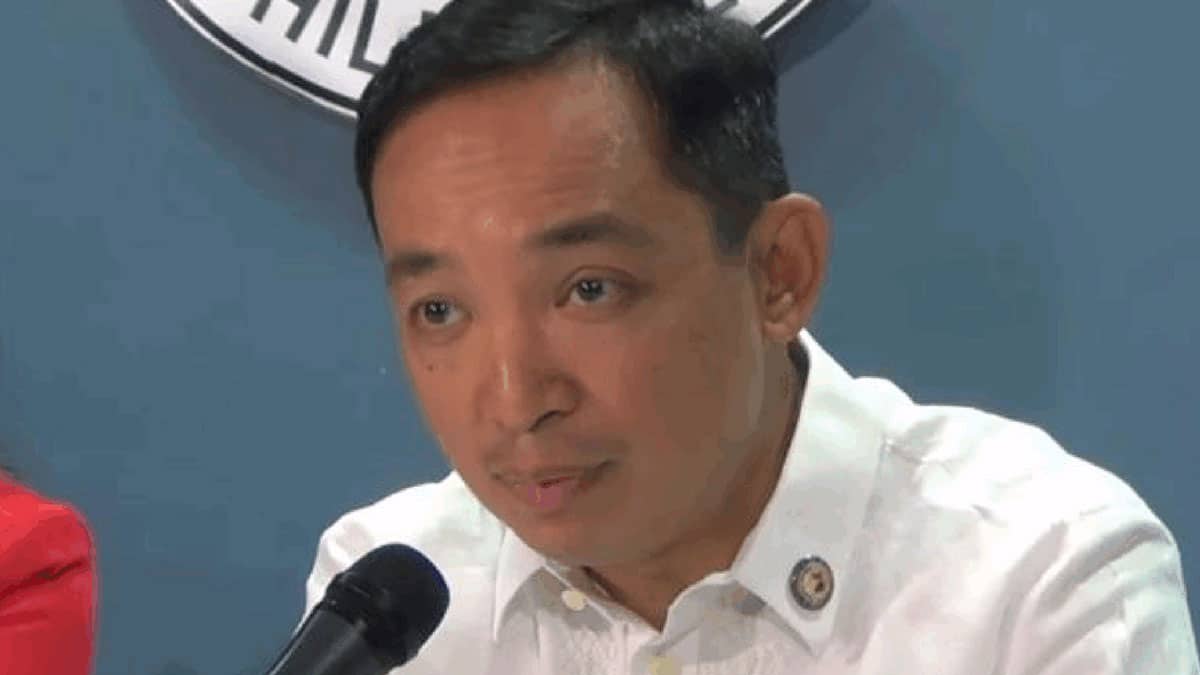
MANILA, Philippines — While he understands that the Senate Majority bloc’s push for remote voting deals with matters discussed in a plenary session, ACT Teachers party-list Rep. Antonio Tinio has warned that this may eventually be considered as a “precedent” when the impeachment trial of Vice President Sara Duterte starts.
Tinio in a press briefing by the House of Representatives’ Makabayan bloc on Wednesday said that the Senate Majority bloc’s proposal of allowing remote voting is unreasonable and self-serving as it supposedly wants to preserve its strength — by having 13 votes in matters up for a plenary vote.
“This is an attempt from the majority to maintain their numbers, especially for voting […] what they want is clearly unreasonable, because even the House does not allow virtual sessions and online voting, or hybrid, online sessions are only allowed if there are natural calamities, pandemics, strikes, riots, civil disturbances,” Tinio said.
READ: Adiong: We respect senators, but they must be present sans emergency
“An outstanding warrant of arrest is not stated as a reason,” he said. “That’s why the request is really unreasonable and very self-serving as far as the pro-DDS (diehard Duterte supporters) senators are concerned.”
When asked if it will spill over to the impeachment court, as trial takes place in the Senate with the senators turning into senator-judges, Tinio said it would not yet affect the impeachment, but the Majority may use it as a precedent.
“Now they are talking about Senate rules there, I understand that the rules of an impeachment court are different, so they have to convene din as an impeachment court also and decide on their own rules.
“But once this becomes a precedent should they be able to change the rules in the Senate, it would be easier for them to adopt the rules at the Senate as an impeachment court,” he added.
Attendance necessary
Prosecution team member and Manila Rep. Joel Chua admitted that the House cannot interfere on how the rules in the Senate are crafted, but he believes that if the same rule will be applied to the impeachment court, it would be better for senator-judges to be present.
This, Chua said, is because part of how senator-judges would assess evidence and witnesses’ testimonies are hinged on intangible matters, or those not seen in text.
“If they will use this for the impeachment trial, it would be better if the senator-judge would personally attend the hearings because one of the things that a senator-judge should do is to observe the witnesses and their demeanor, as to how they will answer,” Chua said.
“Because from here we could see if the witness is telling a lie or not. That’s why their presence is a big deal. If they are not there, how can they observe these kinds of demeanor?” he added. “But well, whatever the decision of our honorable senators are, we will respect it as it is part of the process.”
Earlier, prosecution panel spokesperson and Lanao del Sur Rep. Zia Alonto Adiong admitted that they are concerned about the proposed rule change that seeks to allow senators to participate in proceedings remotely.
Adiong said that while they understand that the proposed rule amendment only applies to the Senate’s proceedings, particularly its session, there is a greater significance now that the chamber is preparing for a trial.
According to Adiong, such moves to allow remote participation may affect the “integrity and solemnity of the Senate ahead of the impeachment trial.”
“We fully respect the Senate as an independent institution, but we strongly believe that impeachment proceedings require personal presence, personal accountability and full attention from every senator-judge,” Adiong said.
“This is not an ordinary period in the Senate. Once senators sit as judges in an impeachment court, the Filipino people expect them to be physically present, listening to the evidence and personally performing that constitutional duty,” he added.
READ: Clash on Senate online voting ends in walkout
On Tuesday, the public saw another development in the Senate’s recent tense political landscape, after members of the Minority bloc walked out from the session.
The walkout was prompted by lawmakers from the Majority bloc — particularly Sen. Joel Villanueva and Senate President Alan Peter Cayetano — pushing for a motion from Sen. Rodante Marcoleta that seeks to allow members to vote remotely, through online channels.
Several Minority members opposed this, with Senator Francis Pangilinan asking why rule amendments are being made on the floor instead of it being formalized through a resolution.
Sen. Risa Hontiveros, meanwhile, said that Marcoleta’s motion is new since the May 11 motion was already referred to the committee on rules, and the said panel cannot bring back this motion as the committee composition has not been finalized.
After Marcoleta pointed out the lack of a legal background on the part of his colleagues who opposed his motion, Minority member Senator Erwin Tulfo said it was an ad hominem, asking later why the Majority seems to be in a rush to amend the rules.
The Minority bloc then walked out of the Senate’s plenary hall.
READ: Labor groups object to proposed online voting in Senate
The Senate has seen several tense moments since Cayetano took office.
Last May 11, Duterte was impeached for a second time by the House after 257 lawmakers voted in favor of adopting House Resolution No. 989, which contains the articles of impeachment. However, news of Duterte’s impeachment was engulfed by storylines from the Senate, as more eyes were focused on Senator Ronald dela Rosa’s sudden return, after six months of absence.
Dela Rosa’s attendance was marred by rumors that an arrest order against him, for crimes against humanity cases before the International Criminal Court, had been issued already.
Eventually, dela Rosa’s presence proved to be important for the Minority bloc as they were able to muster 13 votes — the minimum number needed — to oust former Senate President Vicente Sotto III and install Cayetano.
Then on May 13, the country was rocked after several gunshots were heard inside the Senate building. Initial investigation showed that the warning shots came from acting Senate Sergeant-at-Arms Ma.O Aplasca, who fired on National Bureau of Investigation (NBI) personnel stationed at the adjacent Government Service Insurance System (GSIS) building.
Police investigators said that what Aplasca did was an overkill.
The shooting incident in the Senate coincided with the House’s transmission of the articles of impeachment against Duterte. /mr


