





DTI: Prices of some basic goods may rise


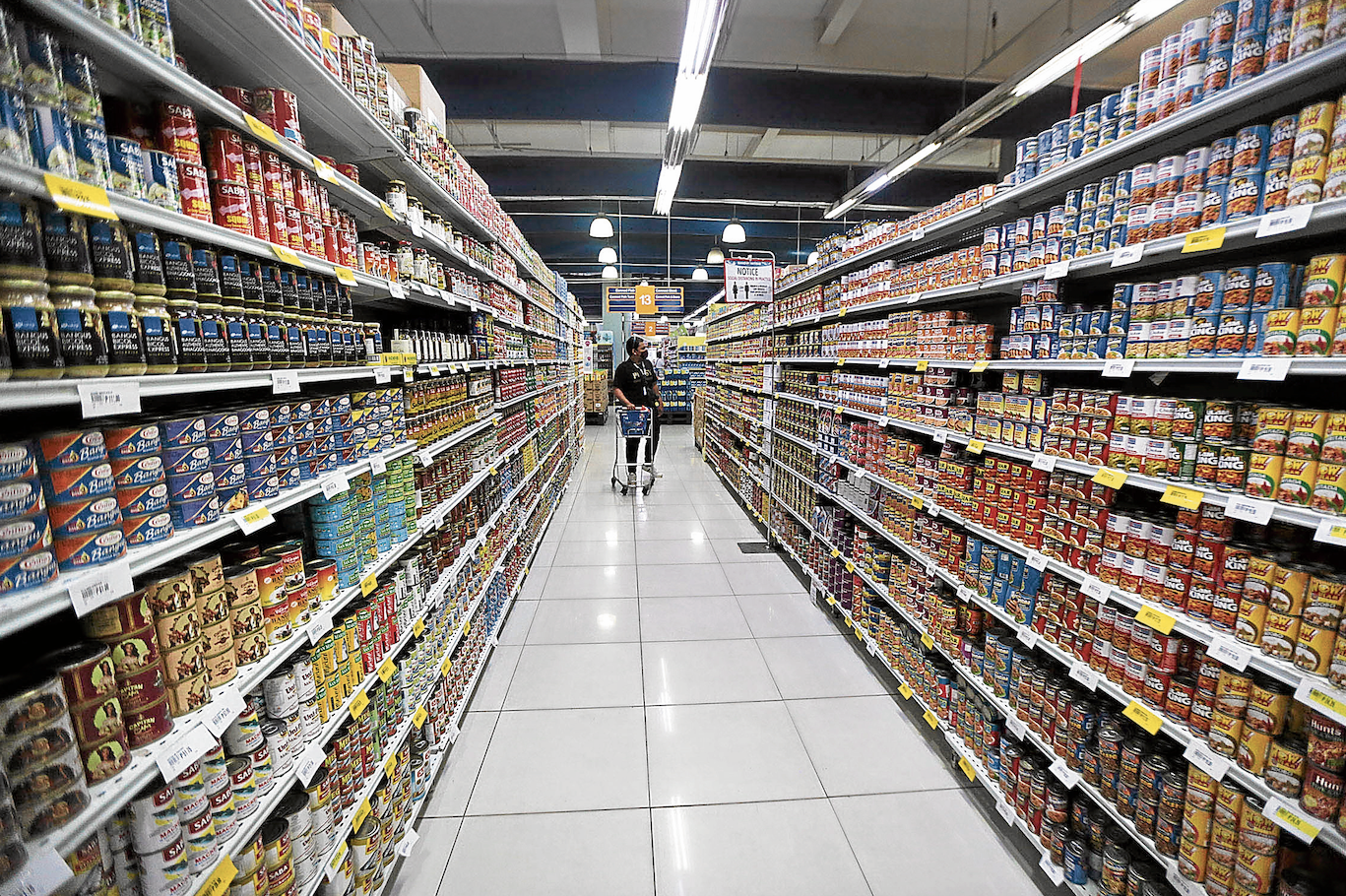
MANILA, Philippines — Filipino consumers may soon see slight price increases for some basic goods as manufacturers have begun seeking government approval for adjustments amid rising costs linked to the still-unresolved conflict in the Middle East.
This was according to Trade Secretary Cristina Roque, who said on Wednesday that while the prices of 68 percent of the basic necessities and prime commodities monitored by the Department of Trade and Industry (DTI) have remained stable, several manufacturers have already informed the agency of plans to raise prices.
Roque declined to identify the manufacturers involved, although she said the possible increases would cover canned sardines and some instant noodle products.
Manufacturers of other basic goods — including canned and processed meat, processed milk, and bread — have yet to reveal any plans for price adjustments, she added.
READ: No price hikes for basic goods until May 10 — DTI
Roque, however, said the adjustments would be “not that much” and could be less than 10 percent of prewar prices.
At the same time, she stressed that the increases are not yet final as the DTI is still reviewing the petitions of manufacturers before issuing an updated suggested retail price list.
READ: DTI: Philippine supply of basic goods enough for 2 months
With a new school year approaching, Roque said the DTI would also soon begin monitoring the prices of school supplies, although producers of these items have not yet indicated any planned increases.
Not yet final
According to the trade secretary, the proposed price hikes on basic goods come as manufacturers continue to grapple with elevated fuel and logistics costs caused by damaged oil facilities in the Middle East and disruptions along the Strait of Hormuz, a key global shipping route.
“You have to understand that when they go to sea, their vessels use fuel. And then when they go to shore to move their products to the manufacturing plant, they also need fuel,” Roque said, referring to the rationale cited by sardine manufacturers.
Since the war broke out in late February, the DTI has relied on manufacturers’ voluntary commitments to defer price hikes despite rising input costs.
Voluntary commitments
This was meant to shield consumers from higher prices even without a formal price freeze, which only automatically takes effect during a state of calamity or emergency. President Marcos’ declaration of an energy emergency did not trigger an automatic price freeze.
In previous consultations, the DTI secured commitments from manufacturers to keep prices unchanged until April 16—an arrangement that was extended to April 30 and then to May 10.
But even without another formal extension, Roque was hopeful that manufacturers would not raise their prices.
“We hope that they will maintain (their prices),” she said. “That’s the ultimate appeal for the consumers. We really understand — also the consumers.” /atm


