





‘Forthwith’ explained: SC rules on impeachment trial speed


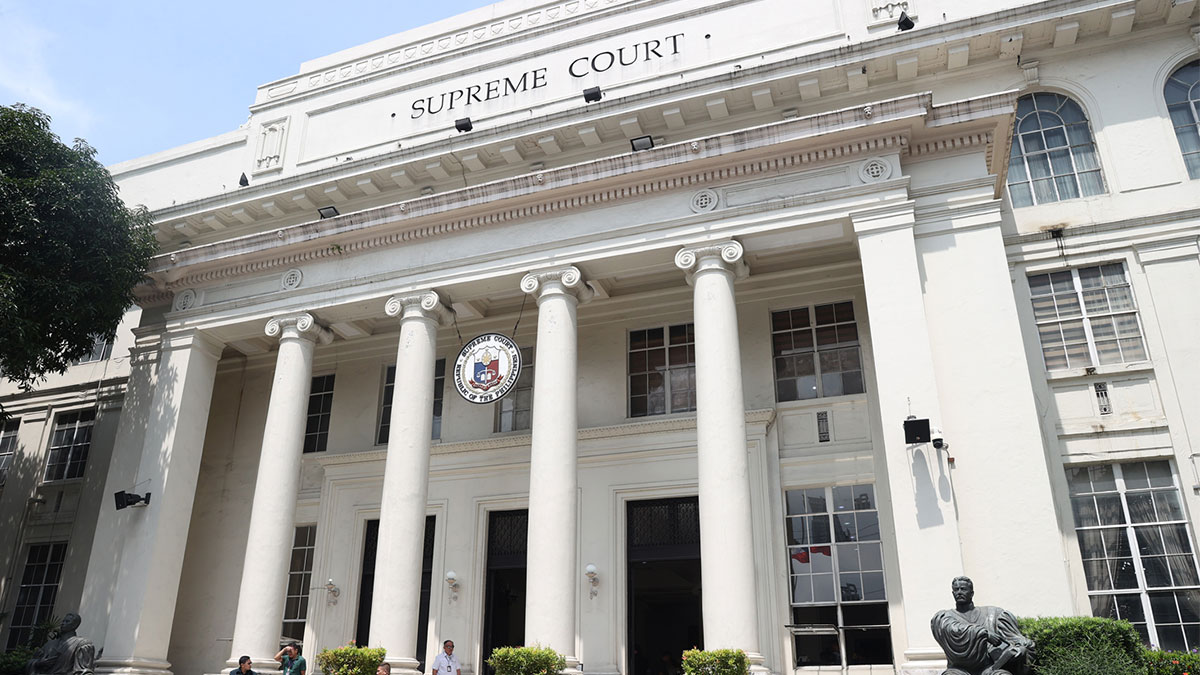
MANILA, Philippines — The Supreme Court on Wednesday clarified that “forthwith proceed” in an impeachment trial does not necessarily mean the Senate should act at breakneck speed, but rather within a “reasonable time.”
In a decision written by Associate Justice Rodil Zalameda, the Court dismissed a petition for mandamus filed by lawyer Catalino Aldea Generillo Jr. The petitioner had sought to legally compel the Senate to immediately convene as an impeachment court to try Vice President Sara Duterte.
Generillo went to the Supreme Court after the Senate adjourned, despite the impeachment complaint against Duterte being transmitted in February 2025.
Then-Senate President Francis Escudero said the Senate cannot legally begin the impeachment trial while Congress is on break, adding that the impeachment case was not referred to the plenary before the session adjourned.
READ: What ‘clamor’? Escudero asks amid calls to start trial ‘forthwith’
The crux of the legal debate rested on Article XI, Section 3(4) of the Constitution, which states that a trial shall “forthwith proceed” after the Articles of Impeachment are transmitted.
The Supreme Court clarified that the word “forthwith” is not synonymous with “immediate.”
It explained that the constitutional provision using the word “forthwith” means “within a reasonable time, which may be longer or shorter, depending on the circumstances of each case,” to allow the Senate to make the necessary preparations to convene as an impeachment court.
“While the Constitution requires the House of Representatives to act within a certain number of session days on an impeachment complaint, it does not specify a fixed timeframe for the Senate to start an impeachment trial. It simply provides that the trial ‘shall forthwith proceed,’ leaving the timing to the Senate’s discretion,” the Supreme Court said.
READ: Escudero told: Impeachment is constitutional duty, not cheering contest
It also reminded the Senate that it must “avoid undue delay to uphold the principle that public officers must at all times be accountable to the people.”
Fourteen justices concurred in the decision, while Associate Justice Alfredo Benjamin Caguioa took no part. /mcm


