





Leyte governor mulls whether to adopt a 4-day workweek


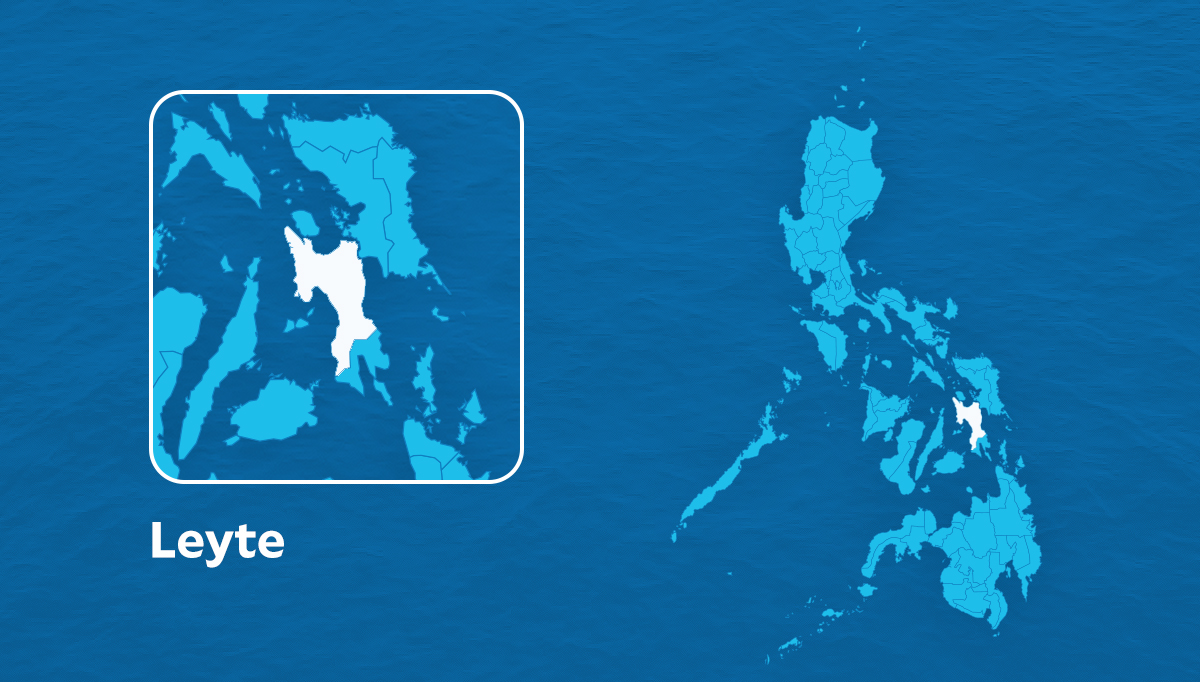
TACLOBAN CITY — Leyte Gov. Carlos Jericho Petilla said the provincial government has yet to decide whether to adopt a four-day workweek following a directive from Malacañang encouraging government offices to implement energy-saving measures amid rising global fuel prices.
Petilla said he planned to meet with provincial department heads to assess the possible policy impact before issuing any executive order.
“It is not automatic as far as I am concerned. I will be meeting with my department heads to see if it is actually needed or (if it is) feasible,” Petilla said in a chance interview on Tuesday.
The Marcos administration introduced the four-day workweek scheme as part of energy conservation efforts in response to soaring oil prices triggered by tensions in the Middle East.
READ: DILG sets guidelines for 4-day workweek
In Eastern Visayas, the province of Biliran was the first to implement the four-day workweek policy, followed by the provincial government of Samar.
READ: Biliran is first Eastern Visayas province to adopt 4-day workweek
Petilla said the policy should be studied carefully as its effectiveness may vary depending on local circumstances.
“If you are a municipality where most employees live near their offices and simply walk to work, what would be the effect of gasoline price increases?” he asked.
He added that if many employees had to commute from other areas to reach their workplaces, the four-day workweek might have a more significant impact on reducing transportation costs.
“So we have to conduct an inventory—what services can be delivered within four days and what services cannot,” the governor said.
Petilla stressed that essential services should not be disrupted if the scheme were implemented. Programs providing financial assistance to constituents, such as hospital aid and other similar services, must remain accessible, he said.
Petilla, who previously served as energy secretary under the administration of the late President Benigno Aquino III, acknowledged that the continuing rise in fuel prices affects everyone, especially low-income households.
“This is a crisis outside our control. The only thing we can do is introduce austerity measures, such as providing subsidies for public transportation and for the delivery of basic goods,” he said.
These measures are intended to cushion the impact on poor families, who are often the most vulnerable during periods of economic disruption, he added.
“We should not expect normal prices during a time of crisis,” Petilla said. He warned that authorities would take action against those attempting to take advantage of the situation through profiteering.
Petilla also expressed hope that global oil prices could stabilize within four to five months after the conflict subsides, depending on the extent of the damage to oil facilities. /coa


