





Latest SC ruling makes impeachment more ‘workable’ – Ridon


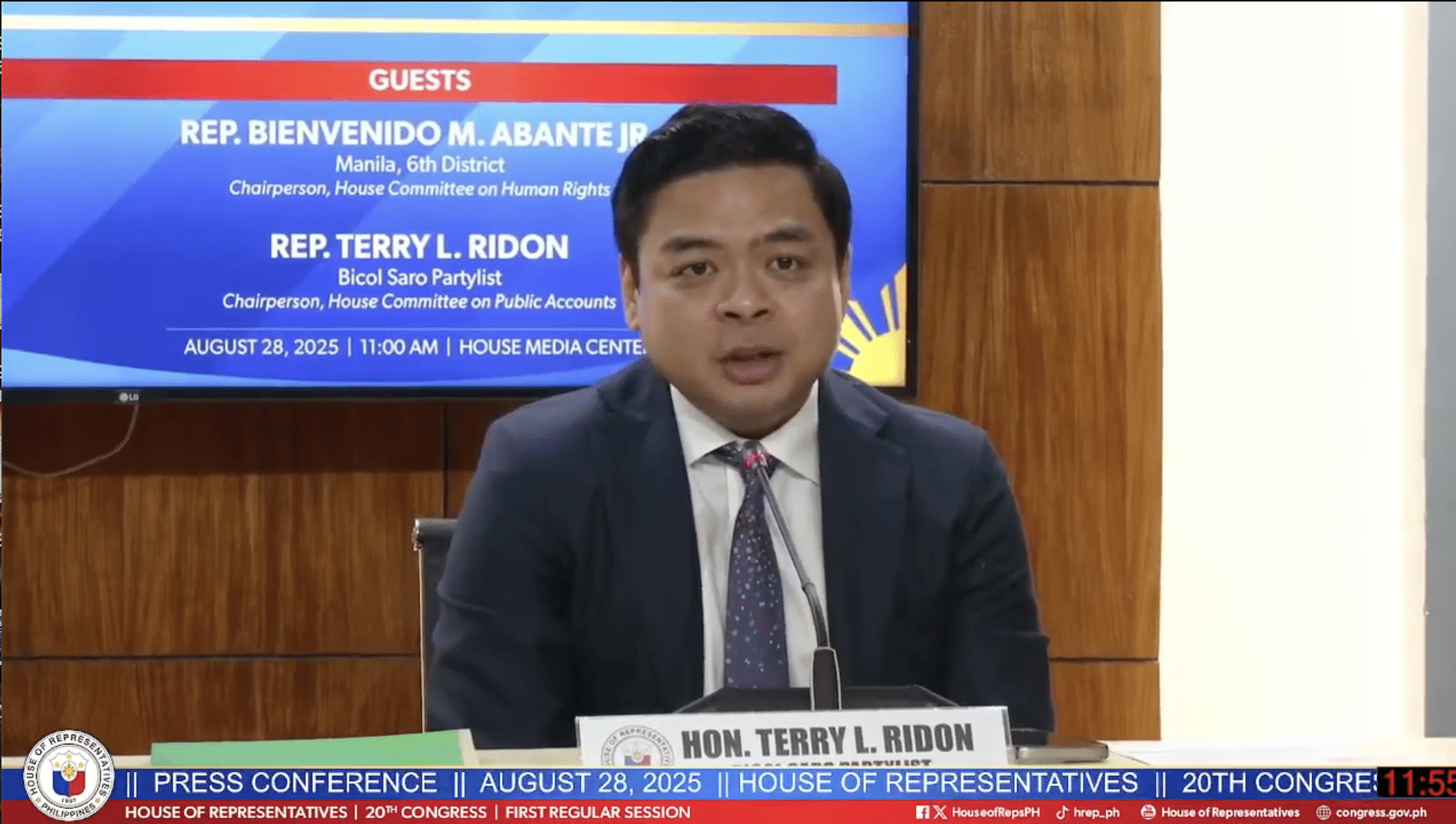
MANILA, Philippines — The latest decision of the Supreme Court (SC) on the House of Representatives’ motion for reconsideration regarding Vice President Sara Duterte’s impeachment made the process more “workable,” a lawmaker said on Thursday.
Bicol Saro party-list Rep. Terry Ridon said that even if the SC upheld its initial decision to declare Duterte’s impeachment as unconstitutional, the latest move from the High Tribunal contained differences with the initial ruling — which many viewed as restrictive.
Ridon was referring to the previous ruling that required respondents in impeachment cases to be furnished with a copy of the Articles of Impeachment, which the SC abandoned when it resolved the House’s motion for reconsideration.
“The Supreme Court, in resolving the Motion for Reconsideration (MR) on its prior ruling involving the House impeachment process, has effectively abandoned the most restrictive due process requirements imposed in the original decision,” Ridon said.
“In its original ruling, the Court required that the respondent be furnished copies of the draft Articles of Impeachment and be given an opportunity to respond as part of the House’s internal proceedings,” he noted.
“In the MR decision, however, the Court no longer requires that the respondent be furnished copies of the complaint or draft Articles of Impeachment, nor that the respondent be given an opportunity to respond at this stage,” he added.
This change, Ridon said, “lays down a more workable and constitutionally appropriate standard for the House” as the only requirements will be:
- the draft Articles of Impeachment and supporting evidence be provided to House members
- the evidence must meet the required quantum of proof to establish the charges; and
- during plenary deliberations, the evidence must be made available to all House members for their information and guidance in deciding on the complaint
“This MR ruling restores clarity to the House’s constitutional role in impeachment,” Ridon said.
“It recognizes that impeachment is a political and constitutional process entrusted to the legislature, and that the House must be allowed to evaluate complaints based on the evidence available to members, consistent with internal rules and the requirements set by the Constitution,” he explained.
“The House remains fully committed to ensuring that impeachment proceedings — when warranted — are grounded on facts, evidence and constitutional principles,” he added.
Bukidnon Rep. Jonathan Keith Flores, on the other hand, said that the latest SC decision allows the House to abide by the ruling, but at the same time, have an “elbow room” on how the chamber will address the complaints.
“The House of Representatives will heed the Supreme Court as the final arbiter on constitutional and legal matters,” Flores, a member of the prosecution team, said in a separate statement.
“There still might be some elbow room on how the House can reflect the due process requirements stated in the SC decision, but still upholding the constitutional prerogatives and authority of the House on impeachment matters,” he added.
With the development, Flores said the “new House Rules on Impeachment must be carefully worded.”
“I fully understand the intent of the Supreme Court on infusing due process into the impeachment process,” he said.
“We will read the decision and separate opinions in their minute details. We will then work out the precise statutory construction necessary to revise the impeachment rules,” he added.
Duterte was impeached last February 5, 2025 after 215 members of the House of Representatives of the 19th Congress filed and signed a fourth complaint, which was based on allegations of misuse of confidential funds in her offices, threats against ranking officials, and other possible violations of the 1987 Constitution.
The Articles of Impeachment were immediately transmitted to the Senate on the same day, in accordance with the 1987 Constitution — which mandates that a trial must begin promptly if at least one-third of all House members, or 102 out of 306 lawmakers from the 19th Congress, endorse the complaint.
READ: House impeaches Sara Duterte, fast-tracking transmittal to Senate
Trial, however, did not start immediately, as the Articles of Impeachment were not brought to the Senate plenary before session adjourned for the election season break.
The Senate also remanded the articles to the House for alleged constitutional infirmities.
In February also, two petitions seeking to halt the impeachment complaints against Duterte were filed before the SC.
One of the petitions came from a group of Mindanao-based lawyers who argued that the House failed to observe constitutional rules requiring it to act on filed impeachment complaints within 10 session days.
The first impeachment complaint was filed by civil society groups in December 2024 but was only referred to the House Committee on Rules on February 5.
READ: Petition to stop impeachment trial vs VP Duterte filed at Supreme Court
The House, however, asserted in its reply to the Supreme Court that all impeachment complaints were acted upon within the required 10 session days, emphasizing that “session days” should not be confused with “calendar days” or “working days.”
Eventually, SC spokesperson Camille Ting announced that the SC unanimously deemed the Articles of Impeachment forwarded by the House to the Senate as unconstitutional for violating the 1987 Constitution’s one-year bar rule.
The House submitted a motion for reconsideration to appeal the case.
SC then announced on Thursday afternoon that it has dismissed with finality the House’s motion for reconsideration.
READ: SC junks House appeal on Sara Duterte impeachment case
The SC, in its ruling, has issued a seven-point guideline that should be followed to ensure fairness in the impeachment proceeding, including providing the respondent a copy of the Articles of Impeachment and evidence, and giving the respondent a reasonable time to respond. /apl


