





DepEd program shows big reading gains in early-grade learners


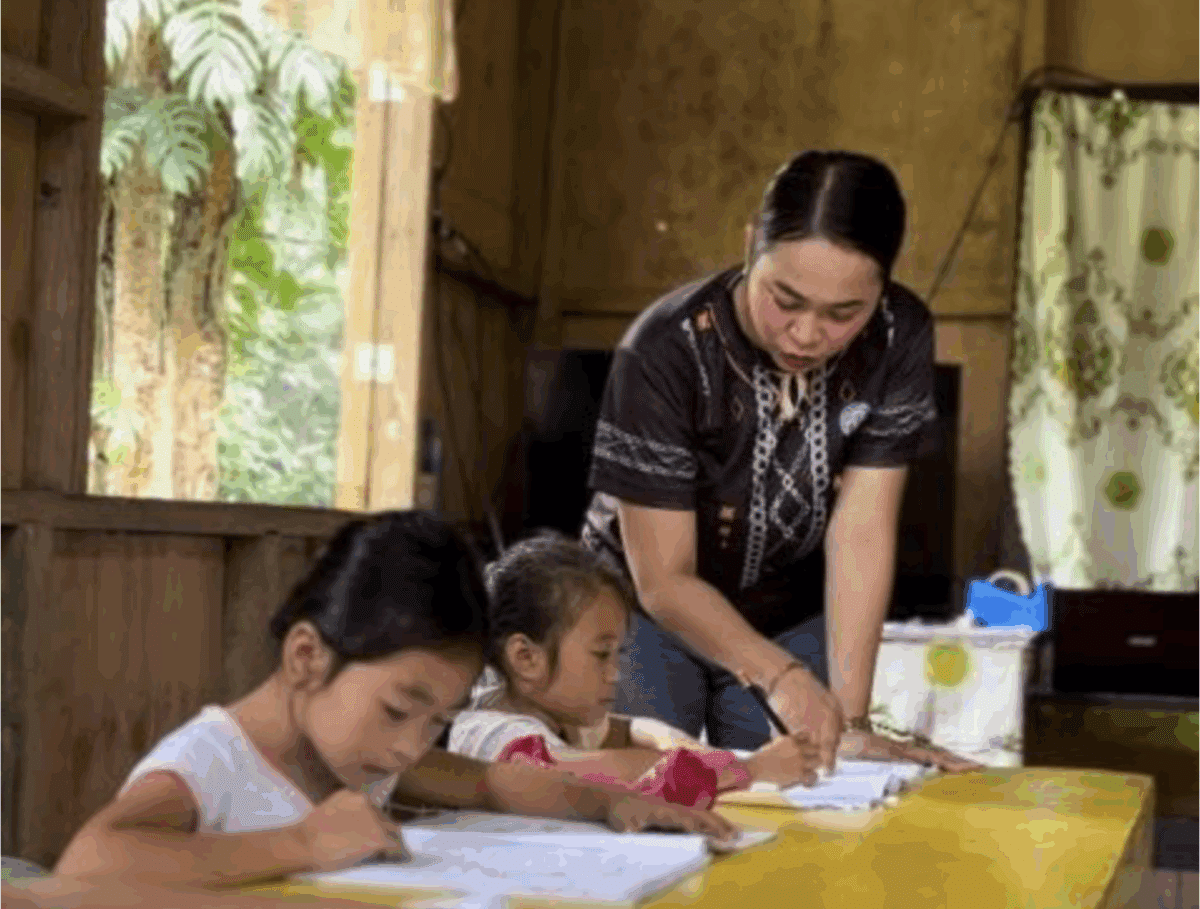
MANILA, Philippines — An independent evaluation has found significant gains in early-grade reading outcomes among learners covered by the Department of Education’s Bawat Bata Makababasa Program (BBMP) in the Zamboanga Peninsula, based on data from a pilot implemented in selected public schools in Region 9.
According to the BBMP Post-Program Report of Youth Impact, in collaboration with DepEd and the World Bank, substantial literacy gains were observed across all grade levels (Grades 1–3) and all languages (Mother Tongue, Filipino, English) in six public schools.
READ: DepEd to introduce reading program to boost literacy
Education Secretary Sonny Angara said the findings affirm the importance of focused early-grade interventions, with lessons from the BBMP evaluation already being used to strengthen the implementation of the Academic Recovery and Accessible Learning (ARAL) program.
“Malinaw ang aral dito na kapag tinutukan mo ang bata, kapag binigyan mo ng oras at tamang suporta, natututo sila. Hindi ito himala, trabaho ito na pinagtutulung-tulungan ng mga guro at komunidad,” Angara said, adding that literacy recovery remains central to President Ferdinand R. Marcos Jr.’s education agenda.
In particular, the assessment showed that among Grade 2 learners in Filipino, the share of students reading at grade level rose from 2.23 percent before the program to 26.22 percent after its completion, a gain of nearly 24 percentage points.
Average reading proficiency levels also increased from 1.28 to 2.40, equivalent to more than one full school year of learning compressed into a short intervention period.
Researchers estimated that learning gains under BBMP were four to five times faster than those typically achieved through regular classroom instruction over a comparable timeframe. Without the program, data showed that many learners would have experienced learning losses during school breaks instead of gains.
Field observations supported the quantitative results, noting improved learner confidence and participation, with teachers reporting that struggling readers became more willing to read aloud and engage in class within days of targeted instruction.
The gains were strongest in schools where daily remediation time was protected and learners were grouped based on assessed reading levels.
“We are gradually working to establish reading corners in the students’ homes by providing localized learning materials… so that students can continue practicing and engaging with the lessons outside school. Issues on parents’ literacy levels still persist and affect learner engagement,” the report said, quoting a field implementer.
The report also recommended improving mentoring for teachers, streamlining monitoring systems, and ensuring the timely provision of learning resources to sustain and scale the gains observed. It further recommended a follow-up impact evaluation to validate the pilot results.
The BBMP is one of DepEd’s 2025 Summer Programs aimed at helping learners who struggle with reading reach grade-level reading proficiency. It was piloted in Region 9.
DepEd said the results would guide refinements to its learning recovery and literacy programs, while noting that further large-scale evaluation would be conducted to expand the program.


