





Palace: Edca sites are beneficial during disaster response


MANILA, Philippines — Malacañang on Monday highlighted that the Enhanced Defense Cooperation Agreement (Edca) sites are beneficial during disaster response.
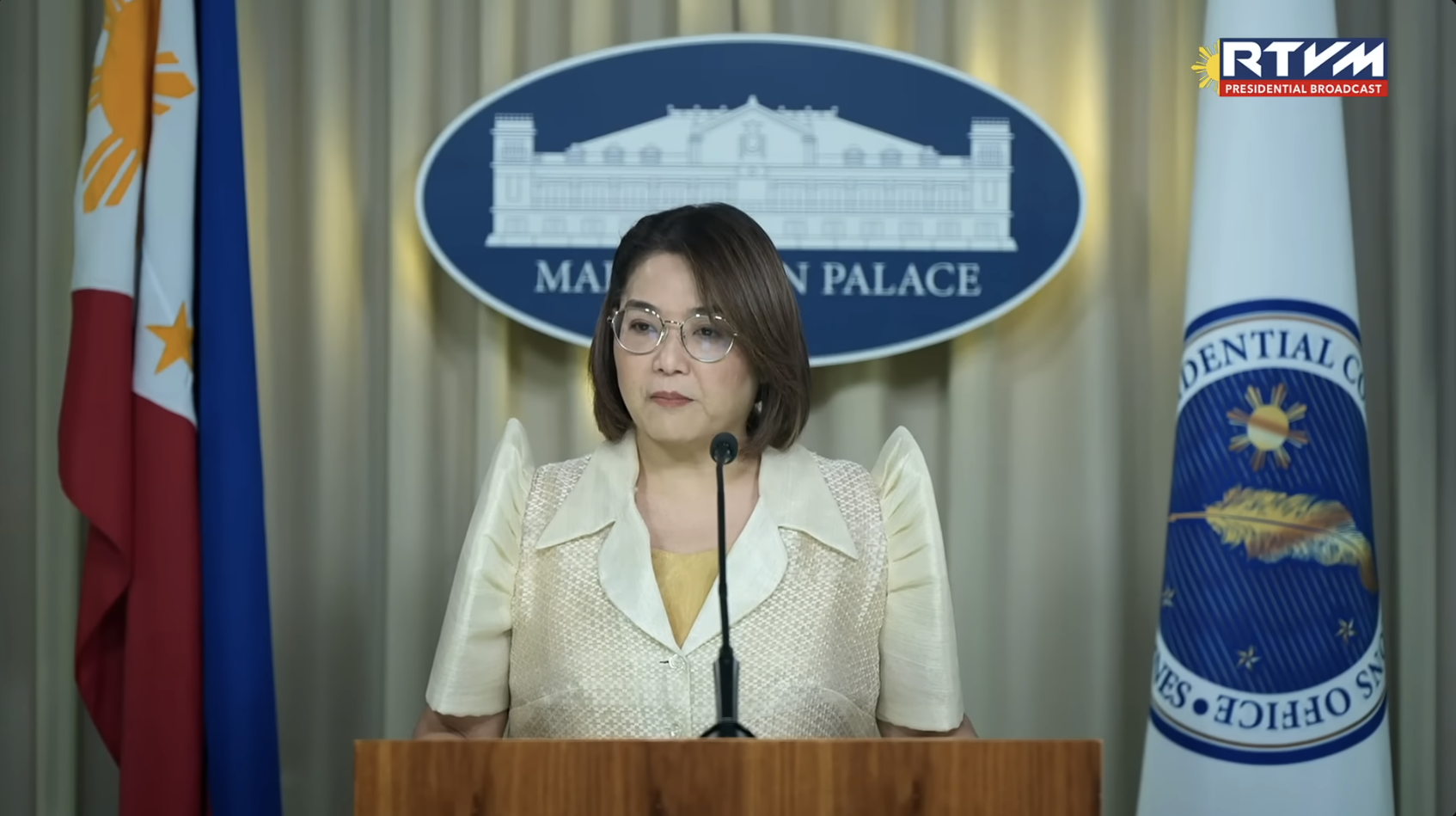
At a briefing, Palace Press Officer Claire Castro addressed those seeking concrete examples of the value of these sites, particularly during calamities.
READ: AFP uses Edca sites as disaster hubs for Crising, habagat
While Castro said the Armed Forces of the Philippines is still gathering updated information on how the Edca sites are helping response efforts, she said that these serve as hubs for disaster response and relief operations.
“But the Edca sites are a big help whenever disasters occur in our country, as they serve as hubs for faster delivery of aid to our fellow citizens,” Castro also said.
READ: Marcos orders use of Edca sites for relief ops amid Kristine onslaught
She cited Fort Magsaysay in Nueva Ecija as an example, saying it serves as a repacking site for relief goods and a shelter for fishermen.
Edca is an agreement designed to boost the United States and the Philippines’ security cooperation by allowing the rotational presence of US troops in “agreed locations” in the country.
This agreement was also seen as furthering the Philippines’ disaster response, as the locations may be utilized for humanitarian and relief operations during emergencies and natural disasters.
There are currently nine Edca sites in the country: Basa Air Base in Pampanga; Fort Magsaysay in Nueva Ecija; Lumbia Air Base in Cagayan de Oro City; Antonio Bautista Air Base in Palawan; Mactan-Benito Ebuen Air Base in Cebu; Naval Base Camilo Osias in Sta. Ana in Cagayan; Lal-lo Airport, also in Cagayan; Camp Melchor Dela Cruz in Gamu in Isabela; and Balabac Island in Palawan. /cb


